
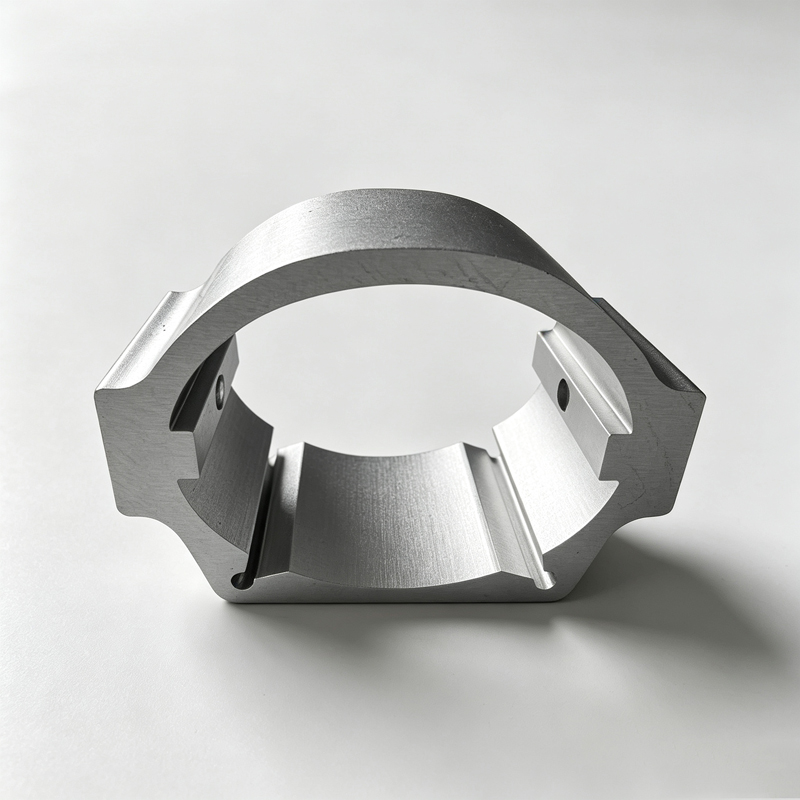
Custom Aluminum Profiles
Mold opening for aluminum profiles for new energy vehicles
Product applications: new energy vehicle power battery trays, battery PACK chassis frames, motor housings, electronic co
Product Details
Product applications: new energy vehicle power battery trays, battery PACK chassis frames, motor housings, electronic control unit cooling housings, lightweight structural parts of the vehicle body, anti-collision beams, threshold beams, longitudinal beams, crossbeams, battery pack cooling plates, energy storage battery housings, new energy commercial vehicle frames, and charging pile housing structural components
Processes: extrusion, mold opening, CNC finishing, friction stir welding, surface treatment
Extrusion length: 20M
Standards: GB/T 6892-2023, IATF 16949 (compatible)
Product Details:
Lightweighting of new energy vehicles is a key path to improving driving range and reducing energy consumption. While ensuring automotive strength and safety performance, automotive steel structural components are being rapidly replaced by aluminum alloy materials. Aluminum profiles have advantages such as low density, good toughness, corrosion resistance, and high recycling rates, making them the preferred material for lightweight new energy vehicles.
This product focuses on the core requirements for "lightweight, high strength, high precision, and corrosion resistance" for aluminum profiles in new energy vehicles, providing a full-process one-stop service from cross-sectional structure design, mold development, extrusion forming to CNC precision machining, friction stir welding, and surface treatment. Our products cover core components of new energy vehicles, such as battery trays, motor housings, electronic control frames, body structural parts, and anti-collision beams.
01 Quality starts from raw materials using A00 primary aluminum ingots for production, contains no scrap aluminum, and features a pure material with a dense structure. Depending on the load-bearing conditions and lightweight requirements of new energy vehicle structural components, 6061-T6 (battery tray and body structural parts, high strength and excellent overall performance), 6063-T5 (motor housing, electronic control frame, good formability and cost-effectiveness), and 6005-T6 (heavy-duty structural parts, balancing strength and formability).
02 Lightweight High-Strength Structural Design Combined with CAE force simulation and topology optimization technology, we create exclusive cross-sectional designs for different components such as battery trays, motor housings, and bumper beams. Battery trays and body structural components require profiles that combine lightweight design with high strength. By reasonably arranging multiple chambers, variable wall thickness, and reinforcing ribs, the self-weight is minimized while meeting load-bearing requirements.
03 High-precision extrusion and CNC machining closed-loop control of temperature and extrusion speed during extrusion, with dimensional tolerances stably controlled between ±0.02mm and ±0.04mm, and key assembly position tolerances controlled within ±0.03mm. Equipped with precision equipment such as five-axis CNC machining centers, machining accuracy can reach ±0.01-0.005mm, meeting the high-precision assembly requirements of new energy vehicles.
04 Stir Friction Welding and Assembly Supporting Large structural components such as battery trays and battery PACK enclosures are usually welded by joining multiple profiles. It can be paired with friction stir welding technology to achieve high-strength splicing of multiple profiles, with weld strength reaching over 85% of the base material, minimal welding deformation, good sealing, and meeting the sealing and load-bearing requirements of battery trays.
05 Full-process quality control The production stage is equipped with multiple quality control nodes, providing coordinate measuring full-scale inspection reports and material inspection reports for each batch. It can comply with the IATF 16949 automotive industry quality management system requirements and implement the ISO9001 quality management system.
Machining capability parameters:
| Project | Parameters/Description |
|---|---|
| Applicable scenarios | Battery trays, motor housings, electronic control frames, crash beams, and body structural components |
| Optional materials | 6061-T6, 6063-T5, 6005-T6, 6082-T6 |
| Extrusion equipment | 600T-12500T extruders |
| The largest circumscribed circle | 600-700mm |
| Key assembly position tolerances | ≤±0.03mm |
| Dimensional tolerances | ± 0.02mm to ±0.04mm |
| CNC machining accuracy | ±0.01-0.005mm |
| Maximum processing length | 6500mm |
| Welding process | Friction stir welding and MIG/TIG argon arc welding |
| Surface treatment | Anodizing, powder coating, electrophoretic coating |
| Implement standards | GB/T 6892-2023, IATF 16949 (compatible) |
| Mold opening cycle | Standard cross-sections are ready in 7-10 days |
| Bulk delivery times | Delivery takes 10-15 days after sample confirmation |
| Minimum order quantity | Supports 50kg scale R&D prototyping |
| Production area | Qingpu, Shanghai |
Main application components of aluminum profiles for new energy vehicles:
| Component types | Recommended materials | Key requirements |
|---|---|---|
| Battery tray/PACK box | 6061-T6, 6005-T6 | High strength, lightweight design, excellent sealing, and compression resistance |
| Motor housing | 6061-T6 | High-precision inner diameter, excellent heat dissipation, shock and noise reduction, electromagnetic shielding |
| Electronic control unit frame | 6063-T5 | Lightweight, excellent heat dissipation, and easy to process |
| Anti-collision beam | 6061-T6, 7075-T6 | Ultra-high strength, excellent energy absorption, and lightweight design |
| Body structural components (sill beams/longitudinal beams/crossbeams) | 6061-T6, 6082-T6 | High strength, lightweight design, and long-term stability |
| Battery pack cooling plate | 6063-T5 High Thermal Conductivity Aluminum | High thermal conductivity, good sealing, corrosion resistance |
Typical application scenarios:
New energy vehicle power battery tray and PACK box frame
Drive motor housing and end cover
Electronic control unit (MCU) cooling casing and frame
Lightweight body structural components (sill beams, longitudinal beams, crossbeams)
Front and rear crash beams and collision energy-absorbing boxes
Battery pack cooling plate and thermal management system profile
Energy storage battery housing and module structural components
Frame structural components for new energy commercial vehicles
Charging pile housing and structural components
FAQ: Q1: What are the advantages of aluminum profiles in new energy vehicles compared to traditional steel structures? A: Compared to traditional steel structures, aluminum profiles for new energy vehicles have six core advantages: First, lightweight and weight-reducing — aluminum alloy density is only one-third that of steel, significantly reducing component weight while ensuring strength and safety. Battery trays can be reduced by 40%-50%, thereby lowering overall vehicle energy consumption and extending driving range; Second, corrosion resistance—the aluminum alloy surface forms a dense oxide film, which does not rust over time, requires no coating for rust prevention, and reduces maintenance costs; Third, excellent heat dissipation—aluminum alloy's thermal conductivity is about five times that of steel, which helps dissipate heat from battery packs, motors, and electronic controls, improving system reliability; Fourth, high recycling rate—aluminum alloy recycling rate can reach over 95%, aligning with the green and environmental protection concept of new energy vehicles; Fifth, high machining precision—aluminum alloy extrusion forming + CNC precision machining, dimensional consistency superior to steel structures, and good assembly consistency; Sixth, short delivery times—aluminum profile structural parts take 7-15 days from mold opening to delivery, while steel structures usually take 15-30 days. Q2: What precision can be achieved for aluminum profiles in new energy vehicles? A: The achievable precision indicators for aluminum profiles in new energy vehicles: Key assembly position dimensional tolerances ≤±0.03mm (to meet stringent requirements such as battery PACK assembly, motor assembly, and electronic control system integration), conventional dimensional tolerances ±0.02mm to ±0.04mm, and CNC machining accuracy ±0.01-0.005mm. Specific accuracy should be evaluated based on the type of component and installation requirements. Q3: What materials can be used for aluminum profiles in new energy vehicles? A: Four materials can be selected according to the load conditions and lightweight requirements of new energy vehicle structural parts: 6061-T6—after T6 heat treatment, yield strength ≥ 240MPa, excellent overall performance, suitable for battery trays, body structural parts, and motor housings, and is the most commonly used material for new energy vehicles; 6063-T5—Good formability, high surface finish, suitable for motor housings and electronic control frames, high cost performance; 6005-T6 — Balancing strength and formability, suitable for heavy-duty structural parts; 6082-T6—High-rigidity aluminum alloy, yield strength ≥ 300MPa, suitable for structural parts with extremely high rigidity requirements. Q4: What are the advantages of friction stir welding for aluminum profiles in battery trays? A: Large structural components such as battery trays are usually made by joining and welding multiple profiles. Our company can support friction stir welding processes, which have four major advantages over traditional MIG/TIG TIG welding: First, high weld strength—friction stir welding welds can reach over 85% of the base material, significantly higher than MIG welding by 70%; Second, welding deformation is minimal—friction stir welding is a solid-phase joining process, with low welding temperatures, a small heat-affected zone, and significantly lower welding deformation than argon arc welding; Third, good sealing — friction stir welds have dense and porous seams, meeting the sealing requirements of battery trays; Fourth, environmentally friendly and pollution-free—friction stir welding requires no welding wire or protective gas, produces no arc flash, no smoke, and is environmentally friendly and pollution-free. Q5: What are the mold opening cycle and minimum order quantity for aluminum profiles for new energy vehicles? A: The standard cross-section mold opening cycle takes 7-10 days for sample release, and after batch delivery and sample confirmation, it takes 10-15 days. Supports 50kg-class R&D prototyping, adapting to the rapid iteration and diversified customization characteristics of the new energy vehicle industry, with exclusive production capacity locked for mass production projects. The specific mold opening cycle depends on the complexity of the cross-section and the type of component: battery tray cross-sections (multi-cavity, thin-walled large sections) take 10-12 days to sample out; Motor housing cross-section (with cooling fins) samples in 8-10 days; Cross-sections of body structural parts (simple sections) will be ready in 7-8 days. The mold opening fee uses H13 hot work mold steel, with a mold lifespan of ≥50,000 cycles. If the agreed mass production quantity is reached, the full mold opening fee can be refunded.
GET A QUOTE
Once you have submitted your requirements, we will contact you as soon as possible regarding your product inquiry.:Mold opening for aluminum profiles for new energy vehicles