Aluminum product surface
Polished Mirror Aluminum Profiles
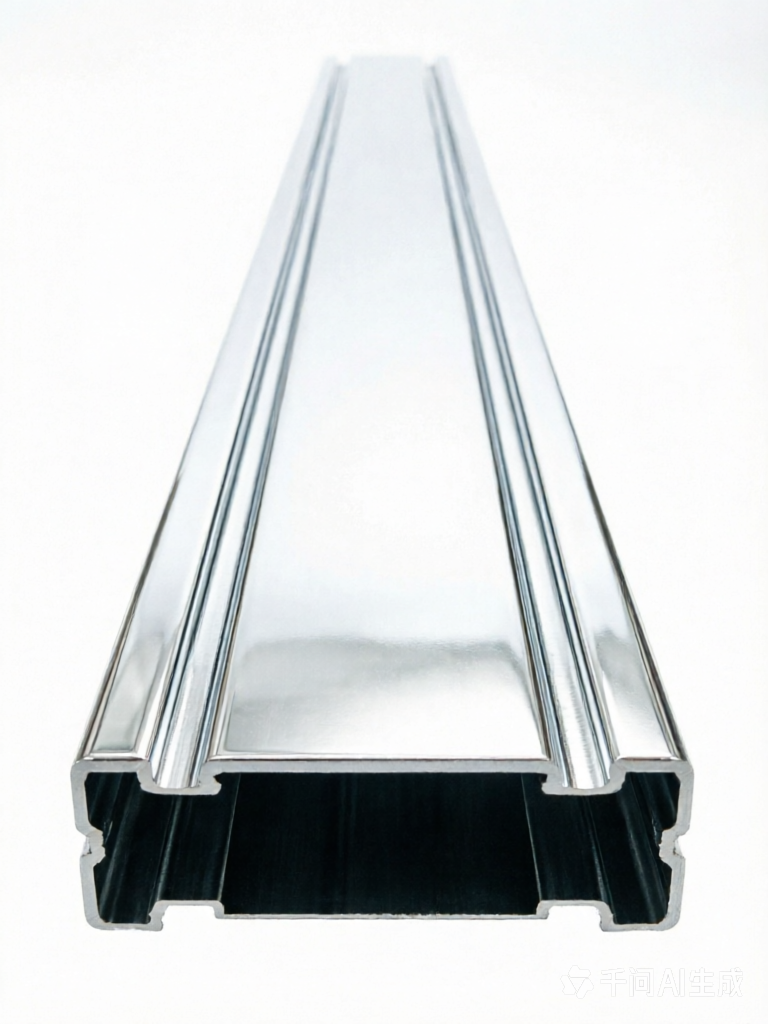
Polished mirror aluminum profiles — surface roughness Ra≤0.1μm, gloss ≥90%, approaching a stainless-steel mirror finish. Shanghai Chuangsi Aluminum Co., Ltd. provides a one-stop service from extrusion and CNC finishing to polishing, with a maximum machini
Product Details
Polished mirror aluminum profiles — surface roughness Ra≤0.1μm, gloss ≥90%, approaching a stainless-steel mirror finish. Shanghai Chuangsi Aluminum Co., Ltd. provides a one-stop service from extrusion and CNC finishing to polishing, with a maximum machining length of 6500mm, suitable for high-purity aluminum alloys such as 6063/6061; surface roughness and gloss inspection reports are provided for each batch.
Core advantages at a glance:
| Advantage Dimension | Technical Indicator | Customer Value |
|---|---|---|
| ✨ Ultra-high gloss | Gloss ≥90% | Approaching a stainless-steel mirror, strong visual impact |
| 📏 Ultra-low roughness | Surface roughness Ra≤0.1μm | Smooth and delicate surface, free of scratches and pinholes |
| 🔧 Three polishing processes | Mechanical / chemical / electrolytic polishing | Flexibly chosen according to workpiece shape and gloss requirements |
| 🛡️ Matching protective treatment | Clear anodizing / electrophoretic coating (e-coat) | Long-term mirror effect without oxidation |
| 📐 Wide machining range | Maximum machining length 6500mm | Suitable for long decorative profiles |
| 🏭 High-purity base material | 6063/6061 high-purity aluminum alloy | High gloss and uniform effect after polishing |
| ⚡ Rapid delivery | Conventional sampling in 3-5 days, batch in 5-7 days | Project timeline controllable |
01 Three Polishing Processes
Mechanical polishing: relies on polishing wheels and abrasives to perform micro-cutting and lapping on the aluminum surface, gradually reducing surface roughness to obtain a smooth, flat surface. Suitable for preliminary polishing of various aluminum profiles and is the basic step for achieving a high-gloss surface.
Chemical polishing: immerses the aluminum in a specially formulated chemical polishing solution; through chemical corrosion, microscopic surface protrusions are preferentially dissolved to obtain a smooth, flat surface. High efficiency and capable of handling complex-shaped workpieces; it is an important step in mirror polishing of aluminum profiles.
Electrolytic polishing: uses the aluminum as the anode for electrochemical polishing in an electrolyte; through anodic dissolution, microscopic surface protrusions are preferentially dissolved to obtain extremely high surface finish. After mechanical polishing + electrolytic polishing, aluminum parts can approach a stainless-steel mirror effect.
02 Quality Starts with Raw Materials
High-quality aluminum profiles produced from A00 primary aluminum ingot have a compact surface microstructure and few impurities, ensuring a uniform polishing effect. High-purity 6-series aluminum alloys (6063, 6061) are ideal base materials for polishing, with low impurity content and high gloss after polishing.
03 Polishing + Post-Treatment Package
The surface of polished aluminum profiles is highly reactive and will gradually oxidize and lose gloss when directly exposed to air. Our company provides two protection solutions:
Clear anodizing: generates a transparent oxide protective film after polishing, preserving mirror gloss while enhancing corrosion and wear resistance.
Electrophoretic coating (e-coat): a clear high-gloss e-coat after polishing, with even higher gloss and stronger protection.
04 Full-Process Quality Inspection
The ISO9001 quality management system is strictly followed, and surface roughness and gloss inspection reports are provided for each batch. Key inspection indicators include surface roughness (Ra≤0.1μm), gloss (≥90%), surface-defect inspection (no scratches, no pinholes) and dimensional-accuracy verification.
Machining capability parameters:
| Item | Parameter / Description |
|---|---|
| Applicable Materials | 6063-T5, 6061-T6 and other high-purity aluminum alloys |
| Executive Standard | GB/T 5237.2-2017, ISO9001 |
| Polishing Method | Mechanical polishing, chemical polishing, electrolytic polishing |
| Surface Roughness | Ra≤0.1μm |
| Gloss | ≥90% |
| Surface Effect | High-gloss mirror, silver-white texture |
| Max. Machining Length | 6500mm |
| Supporting Treatment | Anodizing (clear), electrophoretic coating (high-gloss clear) |
| Production Location | Qingpu, Shanghai |
| MOQ | Supports small-batch customization |
Polishing process comparison:
| Comparison Item | Mechanical Polishing | Chemical Polishing | Electrolytic Polishing |
|---|---|---|---|
| Principle | Physical lapping | Chemical dissolution | Electrochemical dissolution |
| Surface Effect | Bright | High-gloss | Mirror (approaching stainless-steel effect) |
| Efficiency | Medium | High | Medium |
| Suitable Shapes | Simple shapes | Complex shapes | Complex shapes |
| Gloss | Medium | High | Highest |
| Typical Application | General appearance parts | Decorative parts | High-end mirror parts |
Typical Application Scenarios:
Mirror polishing of high-end decorative aluminum profiles, architectural decorative aluminum panels
Commercial-space display props, brand-showroom display racks
High-end lamp reflectors, LED lamp reflectors
Mirror parts for bathroom aluminum profiles, shower-enclosure aluminum
Elevator decorative panels, furniture decorative aluminum profiles
High-gloss appearance parts for electronic products
Automotive interior decorative trim
Mirror aluminum decorative trim
FAQ (Frequently Asked Questions)
Q1: What is the difference among the three methods of mirror polishing for aluminum profiles?
A: Aluminum-profile polishing is mainly divided into three types: mechanical polishing relies on polishing wheels and abrasives to perform micro-cutting and lapping on the aluminum surface, gradually reducing surface roughness; it is suitable for preliminary polishing of various aluminum profiles and is the basic step for achieving a high-gloss surface. Chemical polishing immerses the aluminum in a specially formulated chemical polishing solution; through chemical corrosion, microscopic surface protrusions are preferentially dissolved; it is efficient and can handle complex-shaped workpieces. Electrolytic polishing uses the aluminum as the anode for electrochemical polishing in an electrolyte; through anodic dissolution, microscopic surface protrusions are preferentially dissolved to achieve extremely high surface finish. After mechanical polishing + electrolytic polishing, aluminum parts can approach a stainless-steel mirror effect.
Q2: What surface quality standard can polished aluminum profiles reach?
A: After polishing, the aluminum profile surface roughness is Ra≤0.1μm and gloss ≥90%, with extremely high light reflectance and a mirror-reflection effect, presenting a bright silver-white high-gloss texture. The polished surface is free of scratches, pinholes and corrosion spots, dimensional accuracy meets assembly requirements, and surface roughness and gloss inspection reports are provided for each batch.
Q3: How is the mirror effect of polished aluminum profiles maintained?
A: The surface of polished aluminum profiles is highly reactive and will gradually oxidize and lose gloss when directly exposed to air. Our company provides two protection solutions: clear anodizing — generating a transparent oxide protective film after polishing, preserving mirror gloss while enhancing corrosion and wear resistance; electrophoretic coating (e-coat) — a clear high-gloss e-coat after polishing, with even higher gloss and stronger protection. Both can maintain the mirror effect long-term and are suitable for high-end decorative and display parts.
Q4: Which aluminum alloys are suitable for mirror polishing?
A: High-purity 6-series aluminum alloys (6063, 6061) are ideal base materials for polishing, with low impurity content, high gloss after polishing and a uniform mirror effect. 6063-T5 has good extrusion formability and high surface finish, and is the preferred material for mirror polishing. Note: aluminum alloys with higher copper content (such as 2A12) have slightly lower gloss after polishing and are not suitable for scenarios with high mirror requirements. Our company recommends the most suitable material solution according to the customer's gloss requirements.
Q5: Which application scenarios is mirror polishing suitable for?
A: It is mainly used for mirror polishing of high-end decorative aluminum profiles (architectural decorative aluminum panels, commercial-space display props), high-end lamp reflectors (LED lamp reflectors, lighting reflectors — high-gloss reflectors can significantly improve the optical efficiency of lamps), mirror parts for bathroom aluminum profiles (bathroom hardware, shower-enclosure aluminum), elevator decorative panels, furniture decorative aluminum profiles, high-gloss appearance parts for electronic products, automotive interior decorative trim, brand-showroom display racks, and mirror aluminum decorative trim. Mirror polishing has strong visual impact and can significantly enhance product grade and brand image.
Q6: What is the MOQ and lead time for mirror polishing?
A: The MOQ is 50kg, supporting small-batch sampling and batch production. The conventional polishing sampling cycle is 3-5 days, and batch delivery is 5-7 days after sample confirmation. Mirror polishing involves multiple polishing steps (mechanical polishing → chemical/electrolytic polishing) and optional post-treatment (anodizing / e-coat), so the process cycle is slightly longer than ordinary surface treatment; it is recommended to discuss gloss and protection-scheme requirements in advance.
Get a solution now
📞 Contact Manager Du: 13611846009
Provide workpiece drawings or samples, and the technical department will deliver a mirror-polishing process evaluation and quotation within 2 hours.
Free technical consultation | Free sample evaluation | One-stop delivery from the source factory
GET A QUOTE
Once you have submitted your requirements, we will contact you as soon as possible regarding your product inquiry.:Polished Mirror Aluminum Profiles